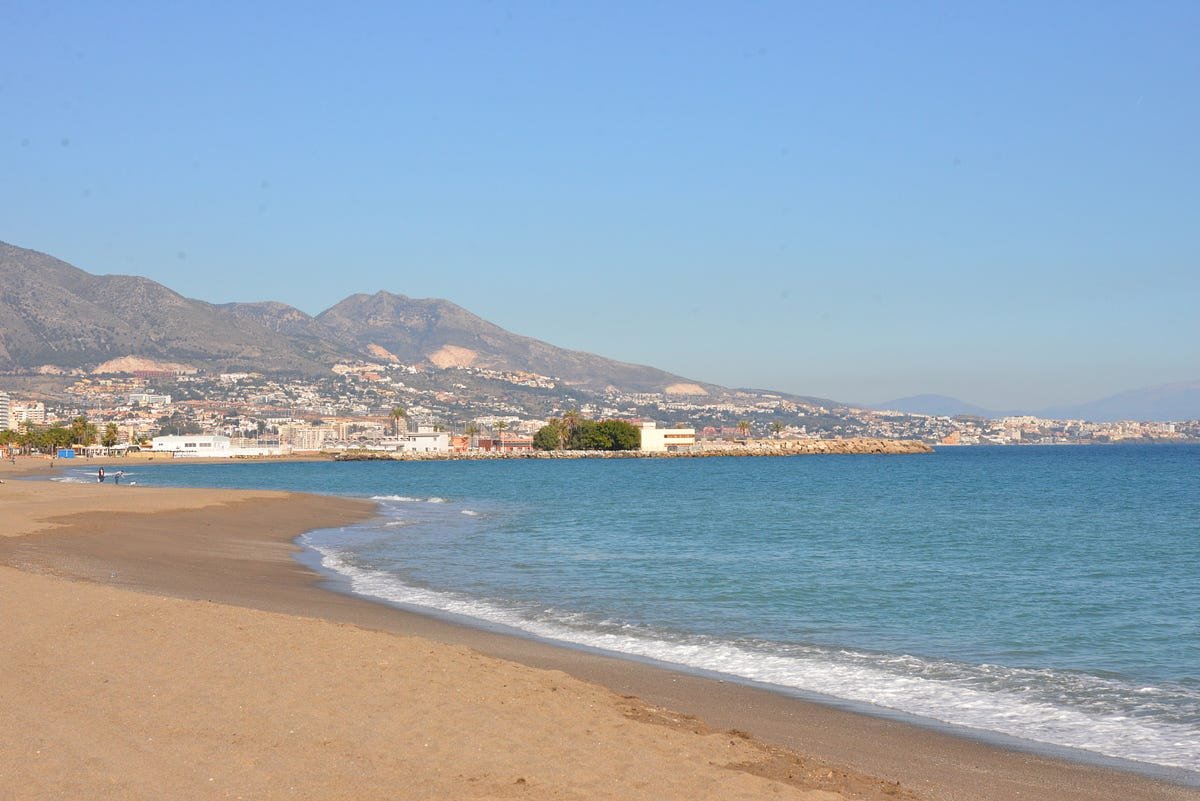
As I took the C1 tram from Malaga, a city in southern Spain, all the way south to Fuengirola, watching the Mediterranean outside the window, breathtaking, with the gentle and calm waves inspiring a sense of peacefulness within.
The railway track traversing between the Penebetico Mountains and the Mediterranean Sea is a marvel. As the tram glides through, it is drawn towards each of its awe-inspiring surroundings. The immense beauty of the mountains and the sea is captivating, and choosing one over the other would be unfair. Riding on the empty train, I gazed to the right at the mountains and left at the sea, eager to take in all the wonders each had to offer.
After an hour, I arrived in Fuengirola, a modest and unassuming city in Spain. The air there was comfortable, with the cool breeze complementing the warmth of the sunshine. Although it's common in Spain, I had almost forgotten how wonderful it is to feel the sun's heat, especially after living in Poland for a while.
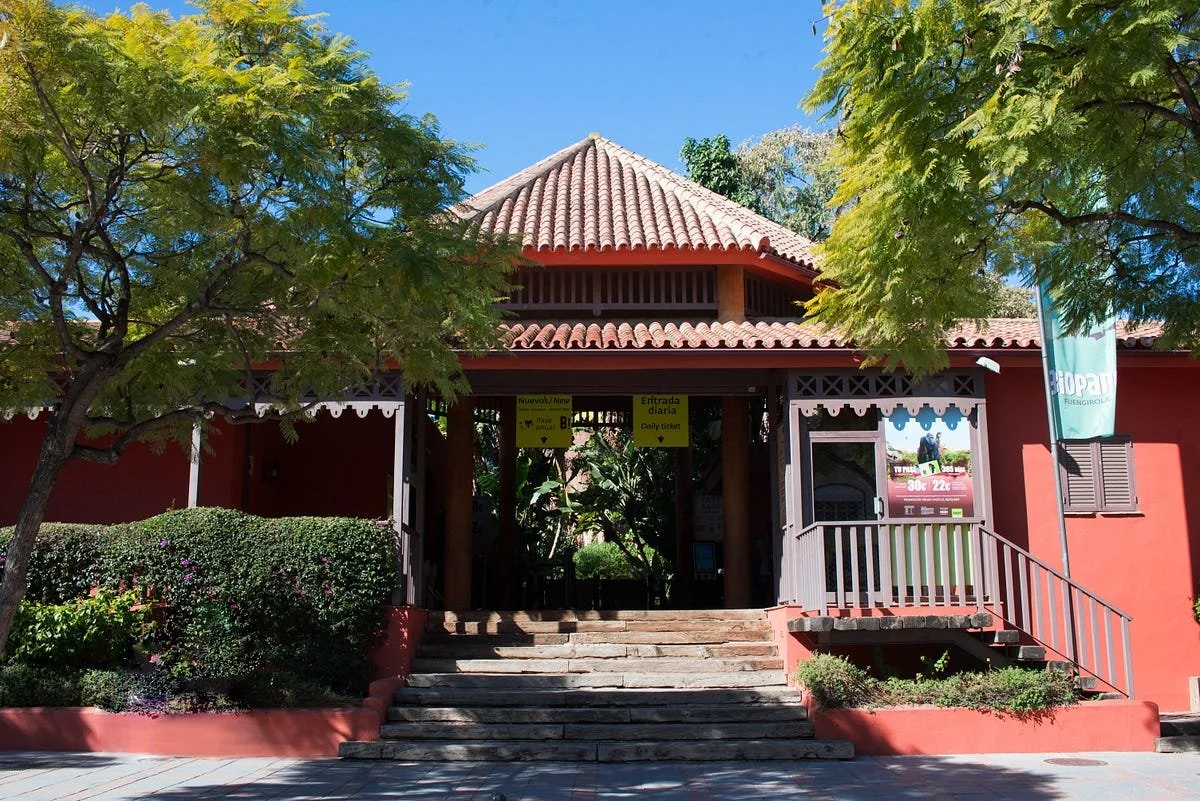
Bioparc Fuengirola is located just a ten-minute walk from the station. The entrance is simple and understated, with no grand arches, squares, or exotic decorations to attract tourists. The zoo blends harmoniously with Fuengirola's leisurely atmosphere and is integrated into the southernmost building in Spain.
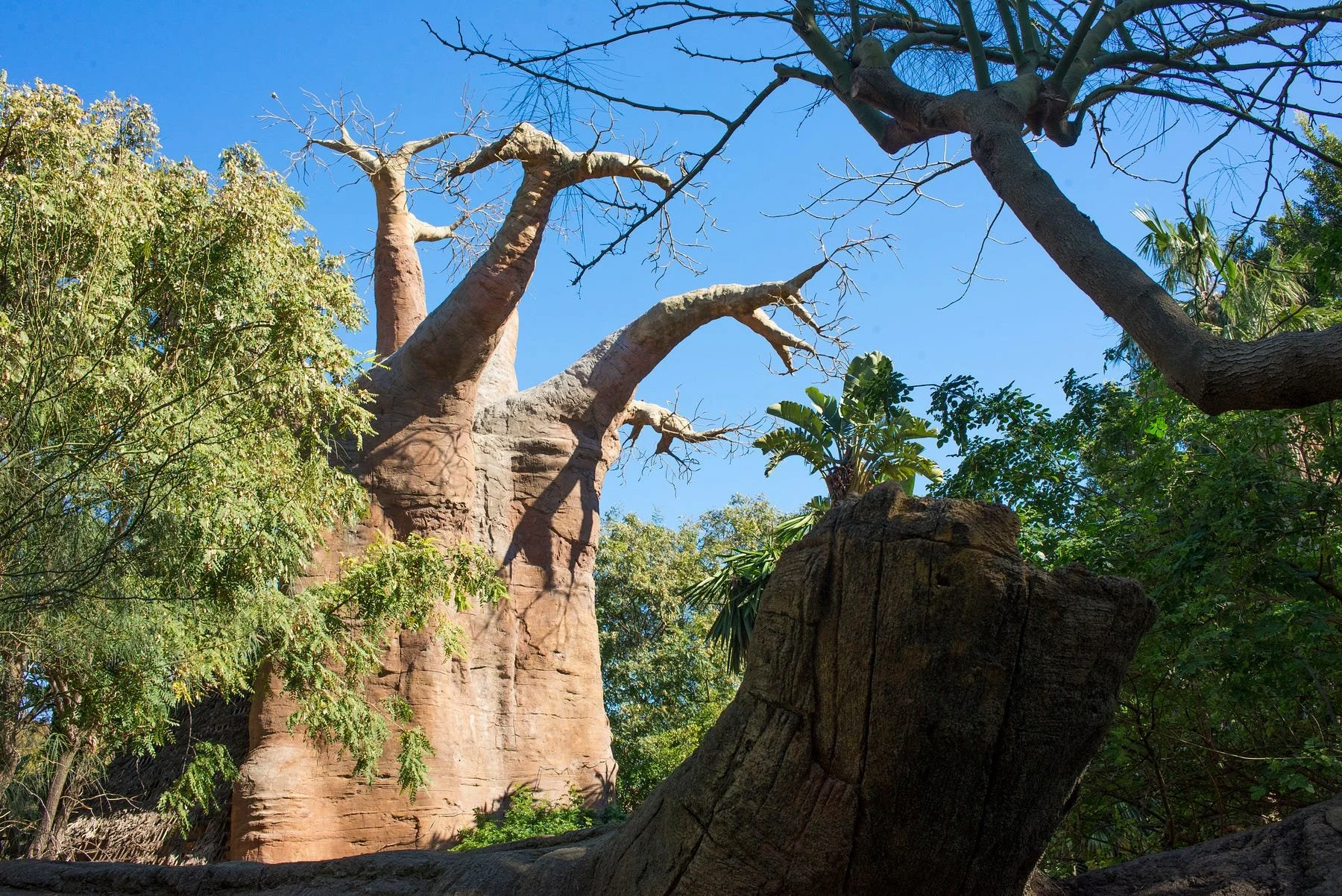
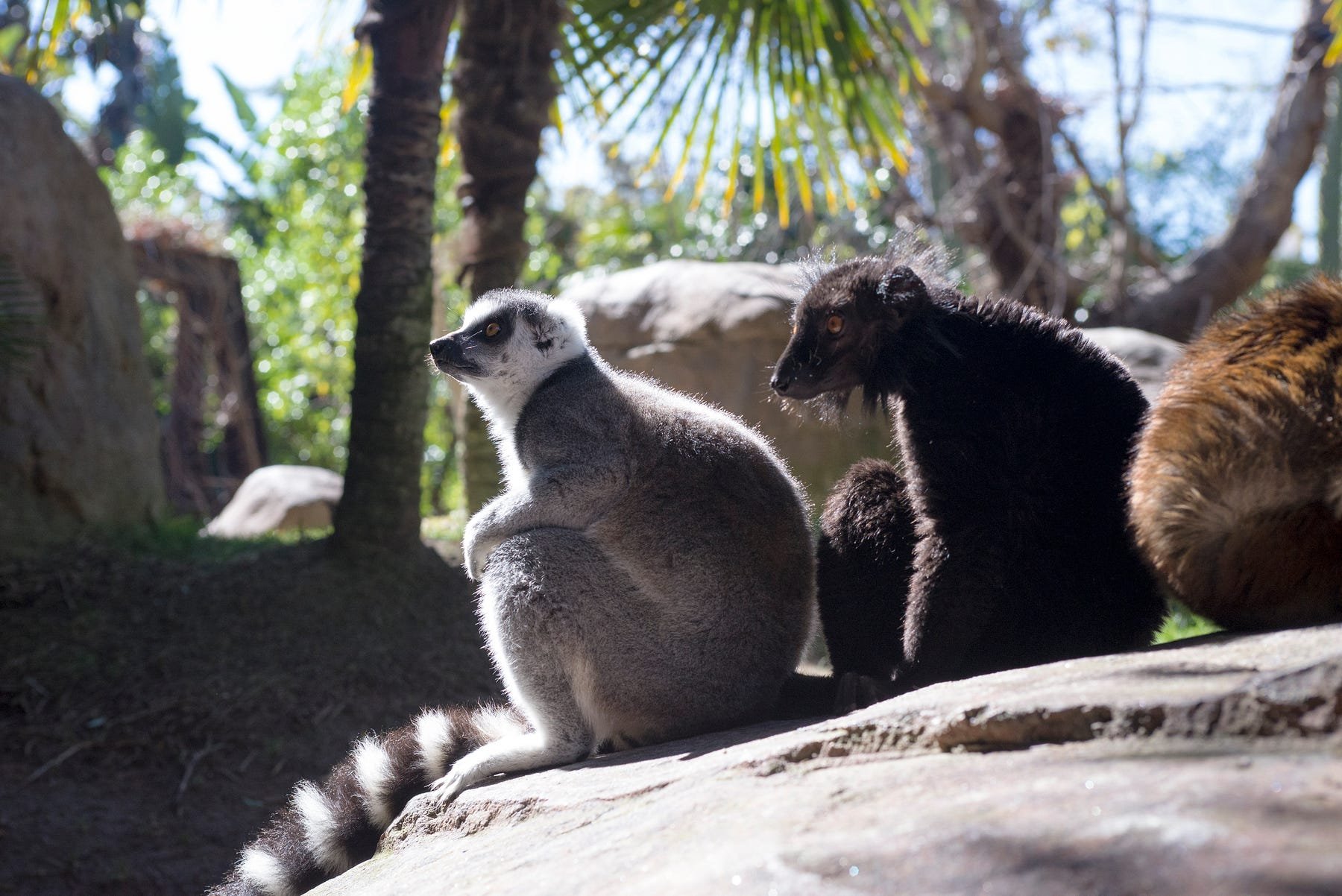
The word "jungle" immediately came to mind as soon as I entered. This zoo, located at the southernmost point of mainland Europe, showcases what a tropical paradise in the Iberian Peninsula, right next to Africa, inspires all Europeans.
It's interesting to note that many artificial objects in the zoo are not disguised as natural elements. For example, the orangutan's climbing frame is made of stone bricks and iron parts, and the red panda's climbing cable is also made of woven metal strips. Instead of using concrete to make rocks and trees, a combination of artificial objects and natural elements not only immerses tourists in nature but also immerses nature into the city.
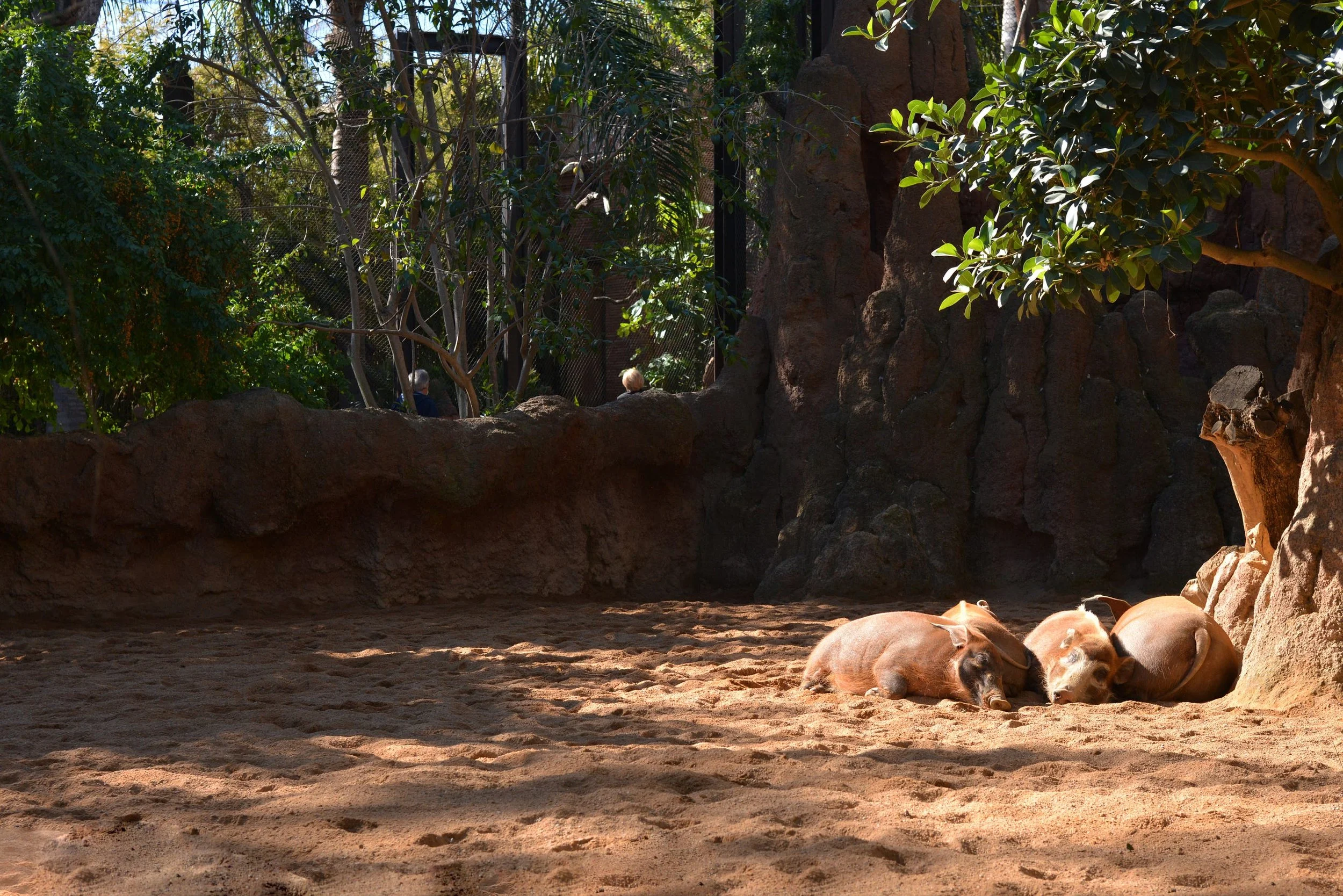
Bioparc Fuengirola taught me that an "immersive environment in zoos" is not equal to "recreating nature." The most important thing about the immersive design is to let visitors feel they are in the same space with the animals, without hierarchy.
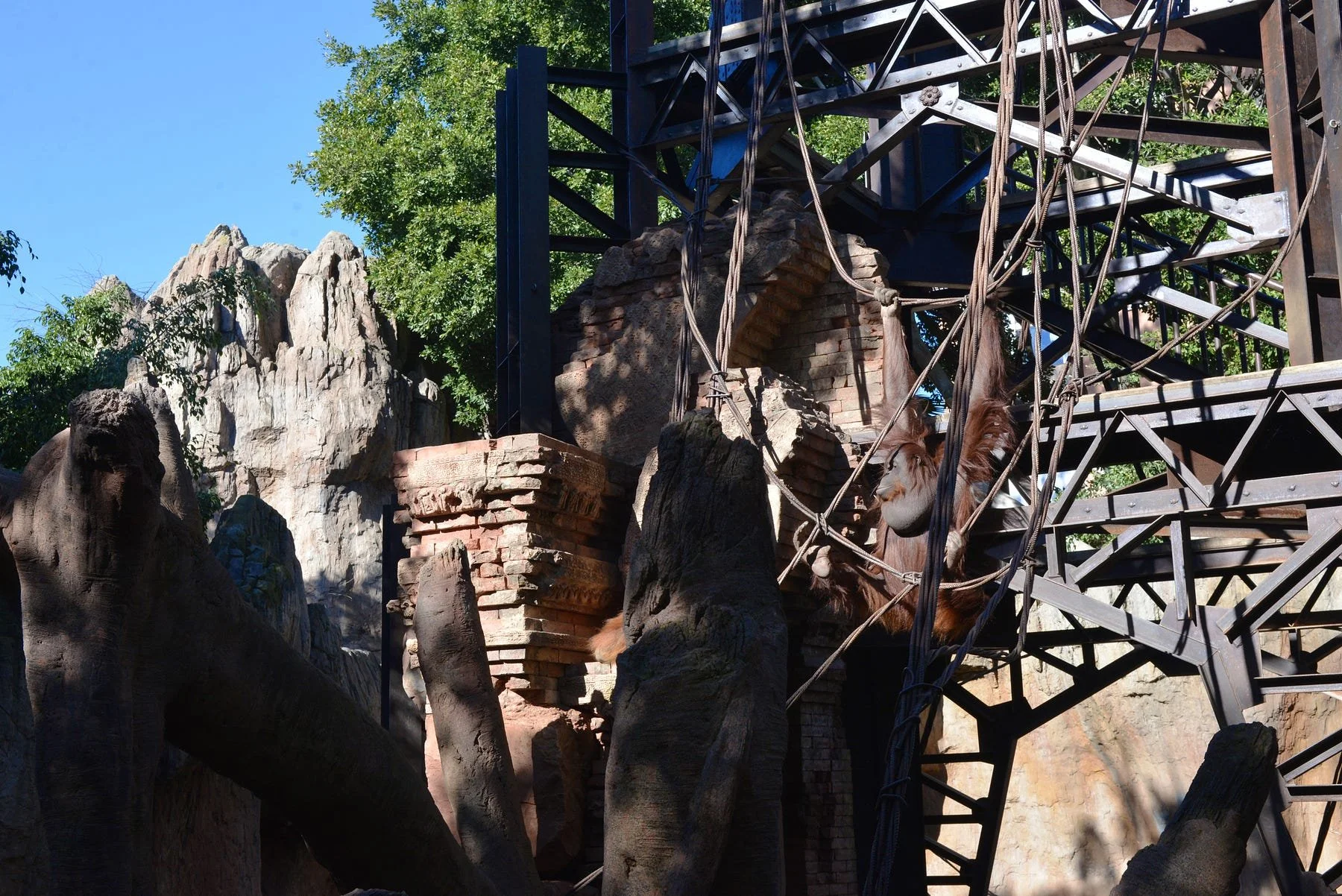
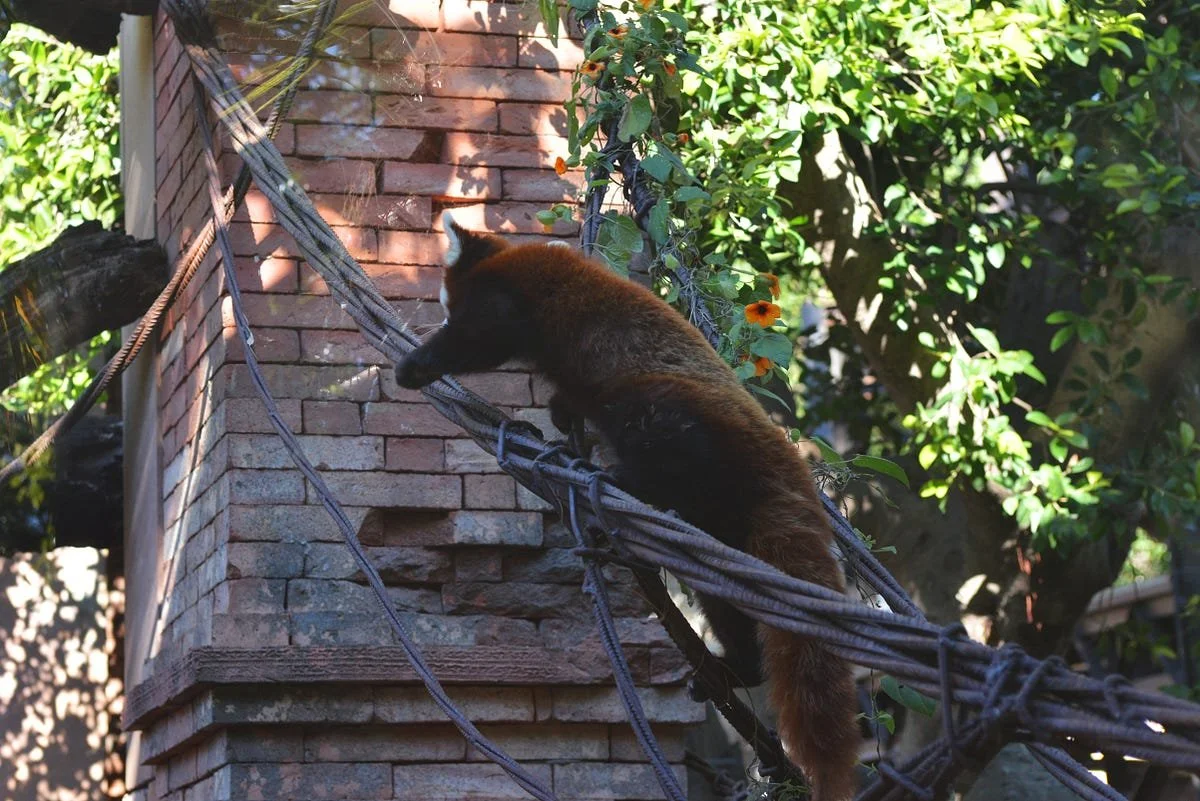
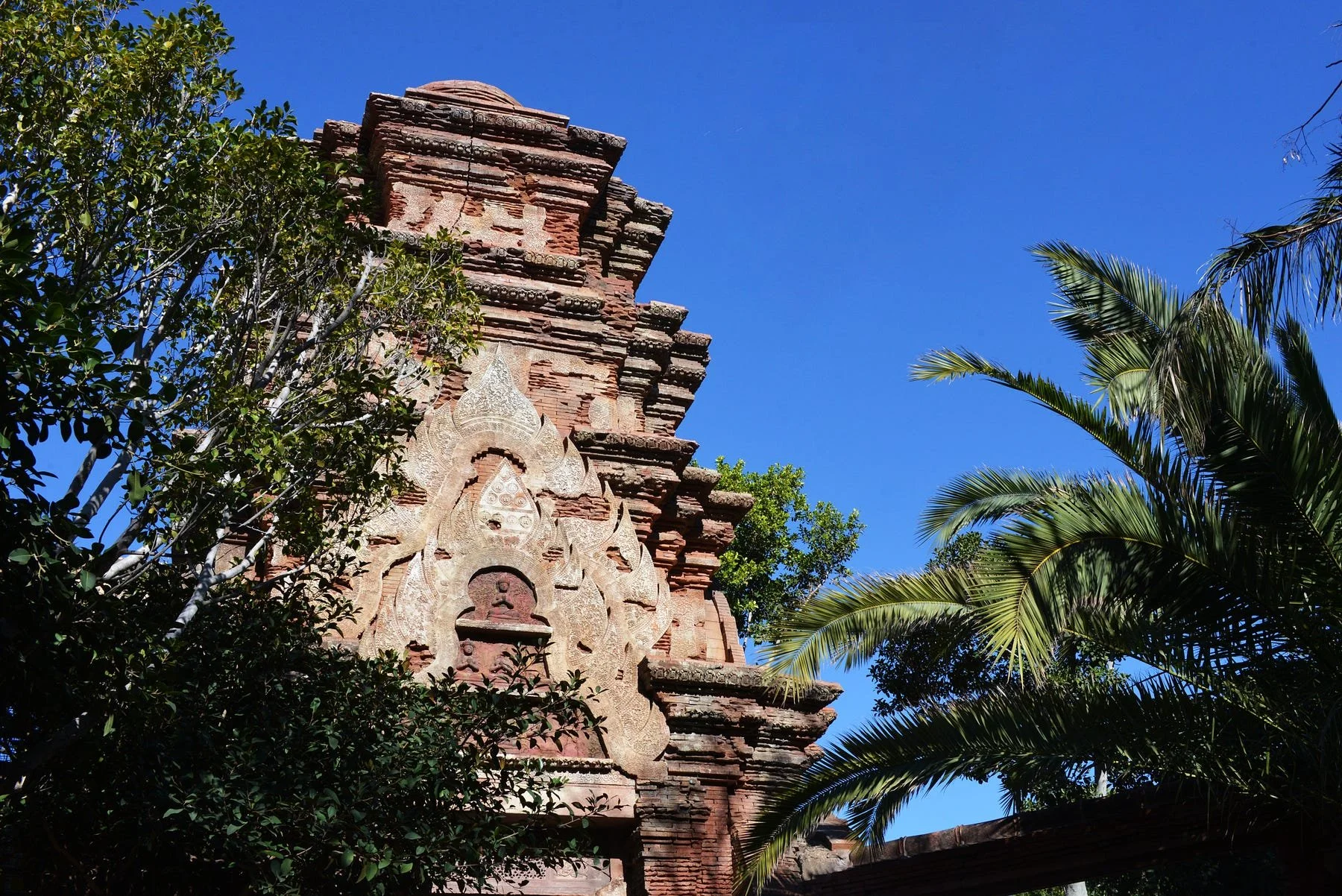
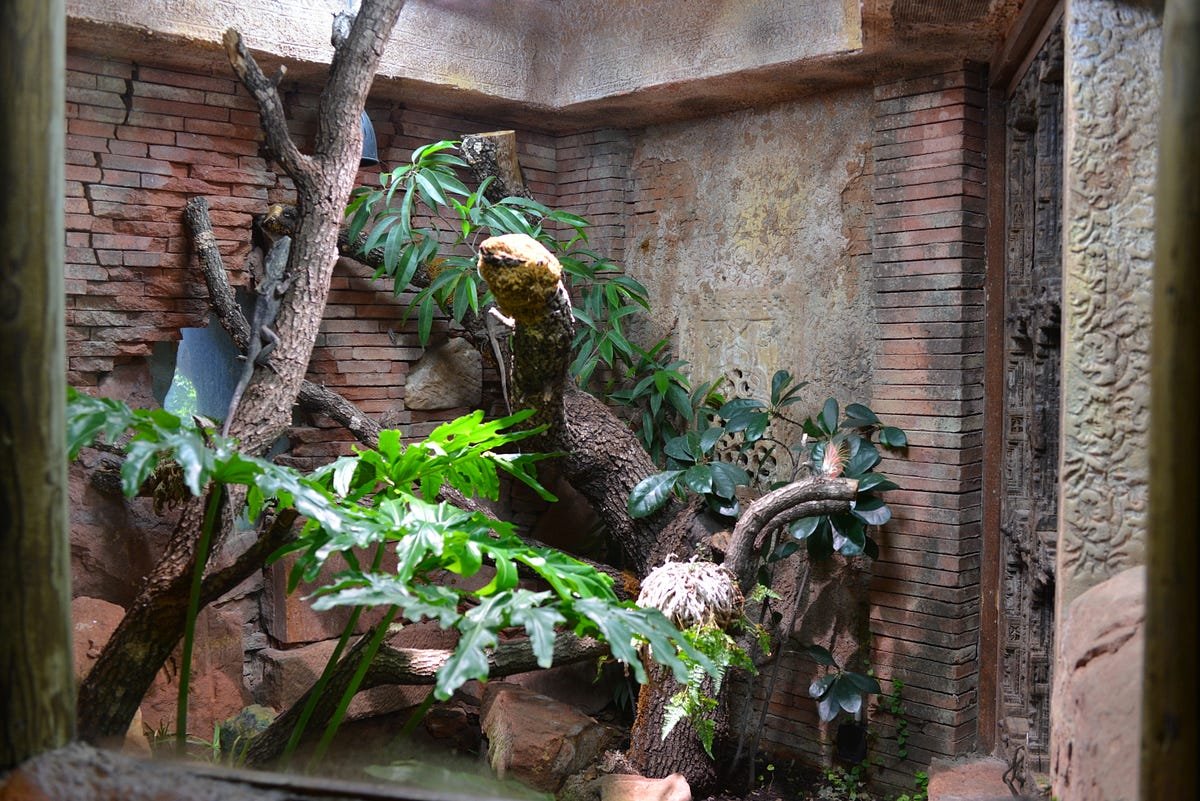
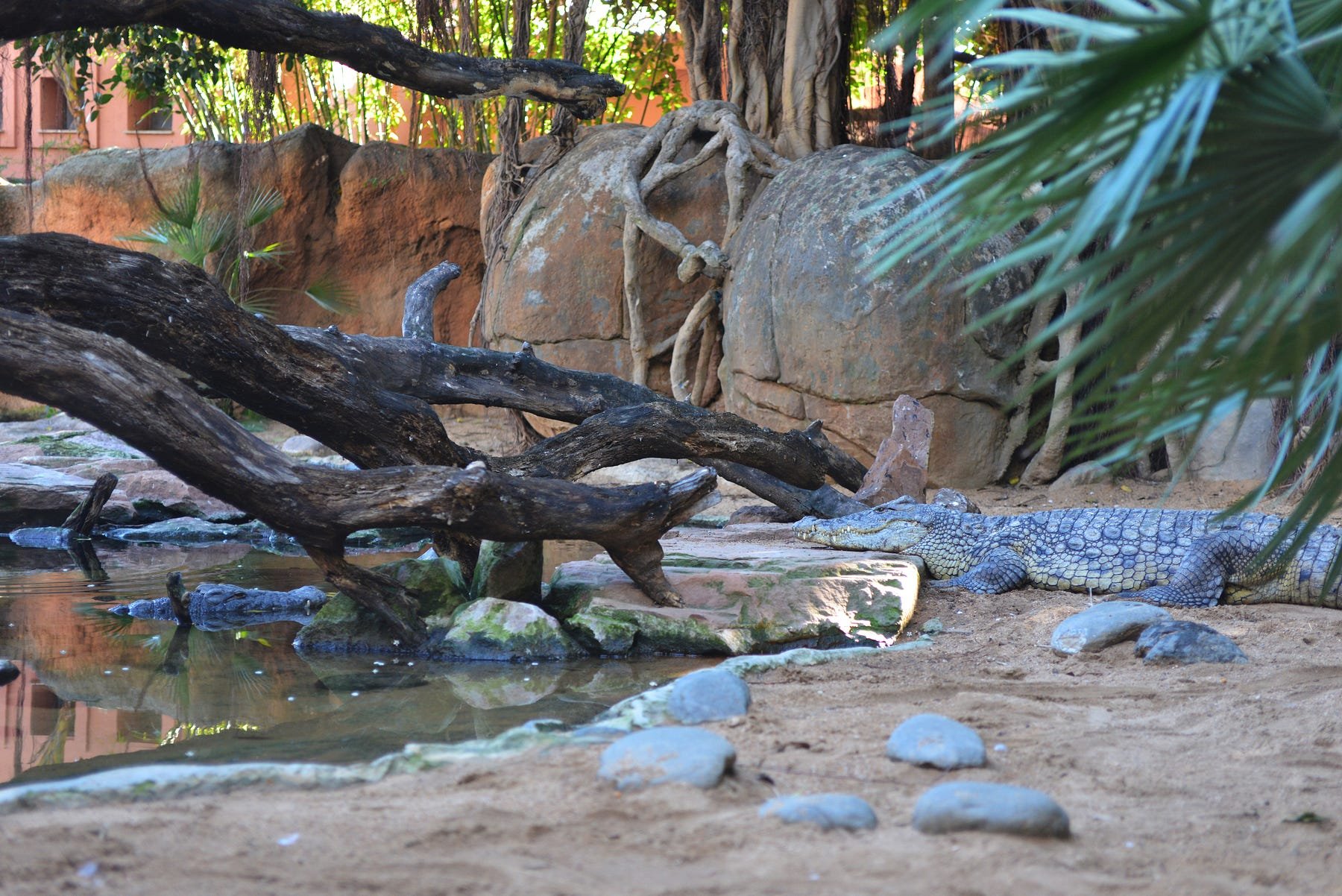
Some people may argue that displaying animals in enclosures with symbols of human civilization demonstrates the superiority of humans in controlling animals. However, zoos are not natural in the first place, and I have the confidence to say that not all zoos can make their natural habitat natural. Here in this zoo, the immersive design bringing nature and civilization closer by combining human and natural elements is a clever method for small-scale zoos to achieve immersive effects.
The zoo's animal exhibits, architecture, vegetation, animal housings, waterscapes, and background city are all designed to create a unified and visually harmonious experience for visitors. Even the most minor details of the reptile display are carefully considered to ensure a highly exquisite small zoo. What sets this place apart is that it manages to avoid the monotony that often plagues similar venues by incorporating unique design elements that continually offer visitors a fresh perspective. While many other zoos have attempted similar approaches, this one has been particularly successful in its consistent use of design language and attention to detail.