SEA LIFE Interpretive Works
Date & Location
2025 - Present
Orlando, Florida
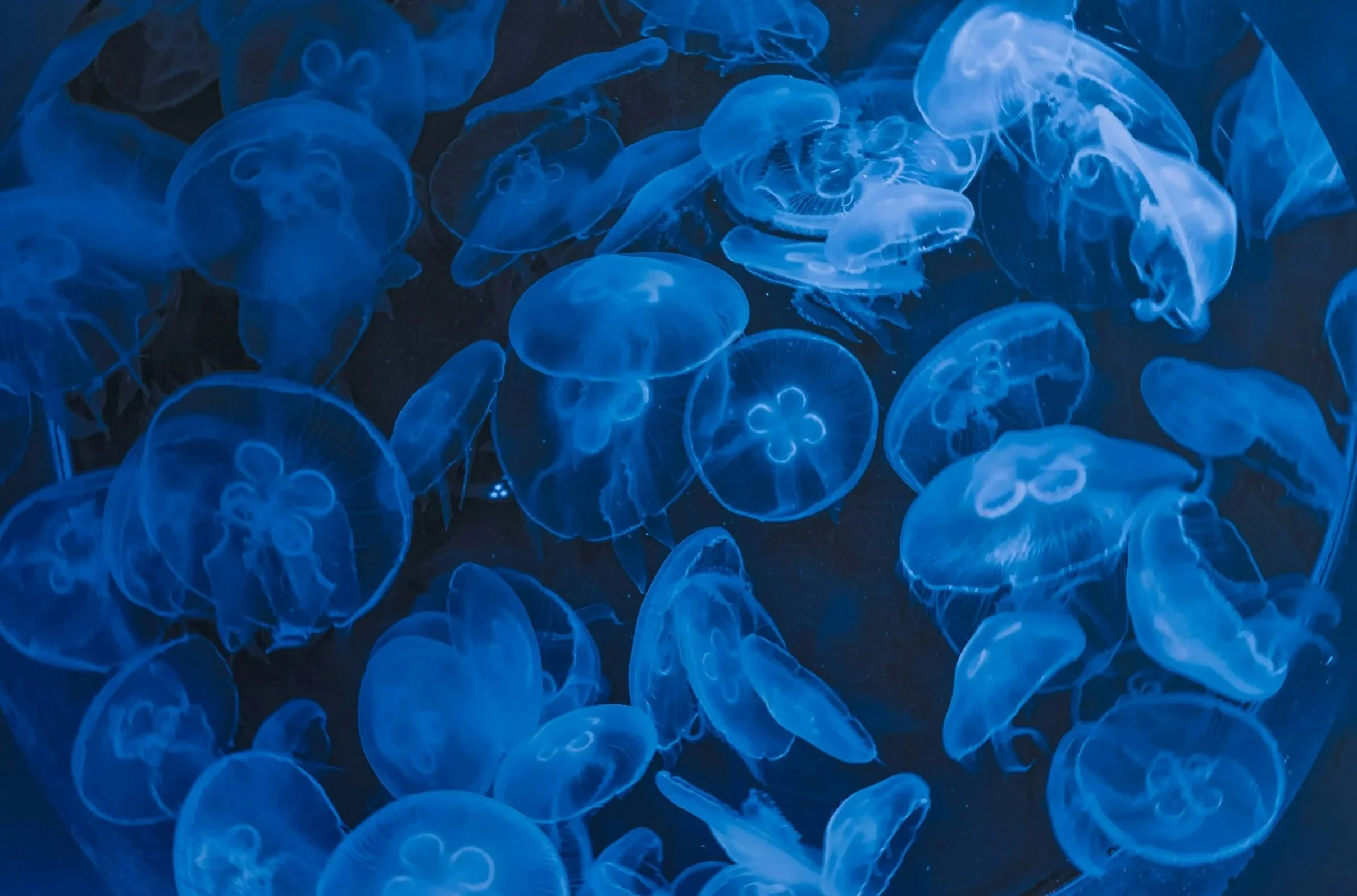
Connecting Through Curiosity.
At SEA LIFE Orlando, my design approach is rooted in the belief that we shouldn't just "educate"—we should inspire people to learn. As an Education Specialist, I spend my days observing how guests interact with marine life and identifying the exact moment their curiosity peaks. These works, ranging from interpretive signage to interactive stations, are more than just graphic panels; they are the results of my dual role as a copywriter and designer. I transform complex biological data into family-friendly narratives, ensuring that every word and visual starts from what the visitor can see with their own eyes.
Project Type
Interpretive Design
Script Writing
Working with
SEA LIFE Orlando Aquarium
Keywords
Copywriting, Knowledge Translation, Graphic Design, Visitor Observation, Story-driven
Small Sign Writing & Designs
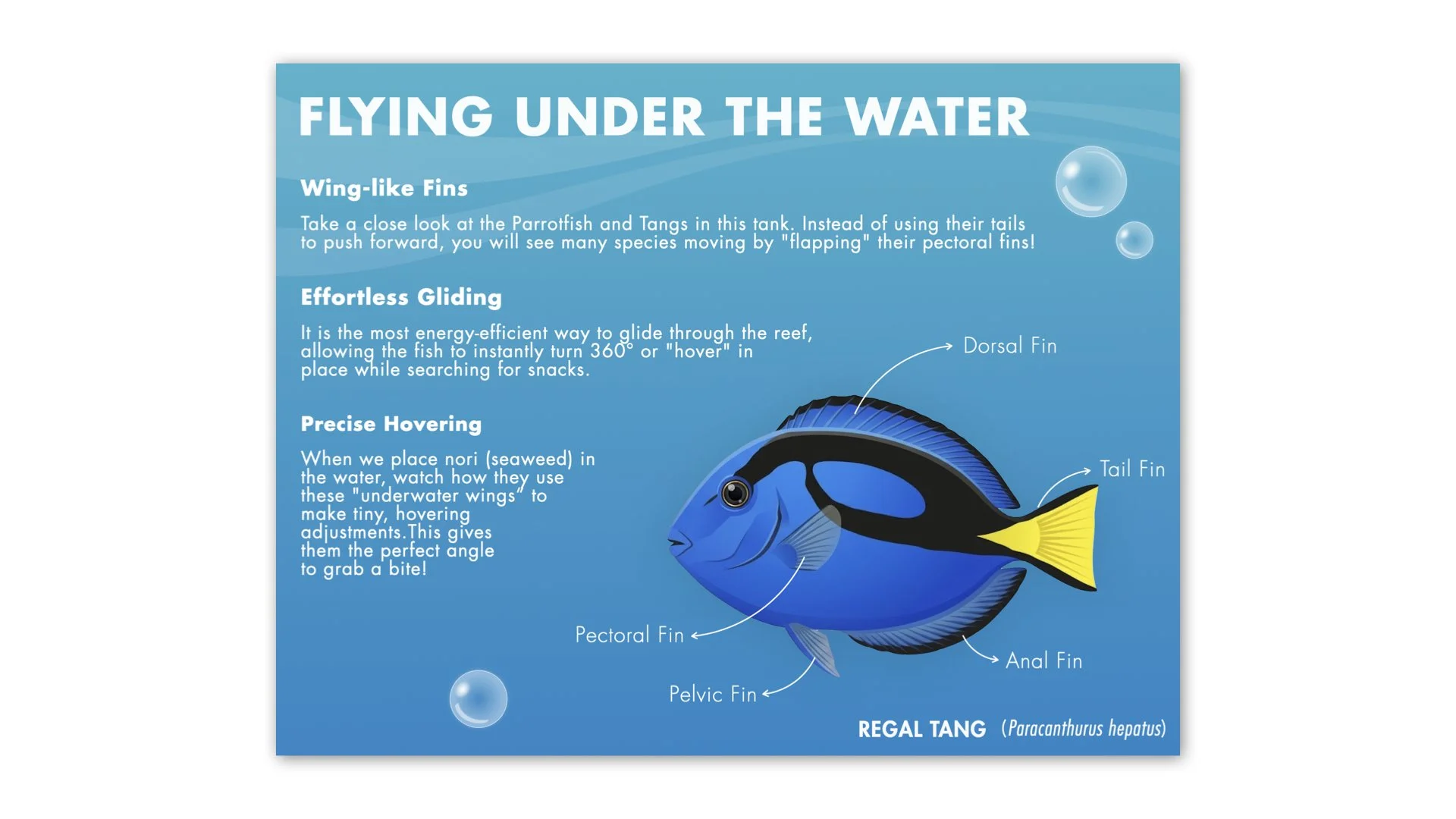
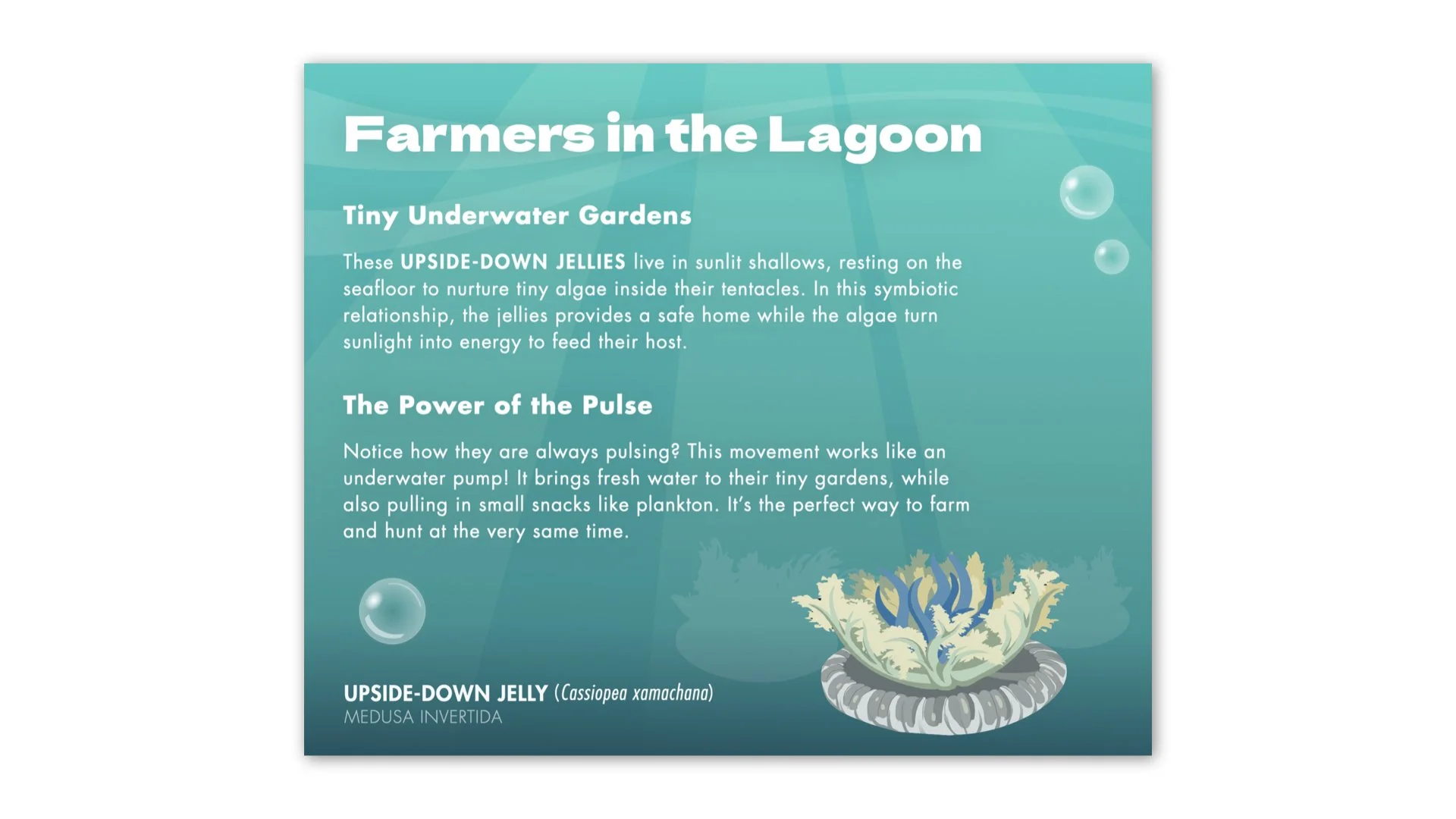
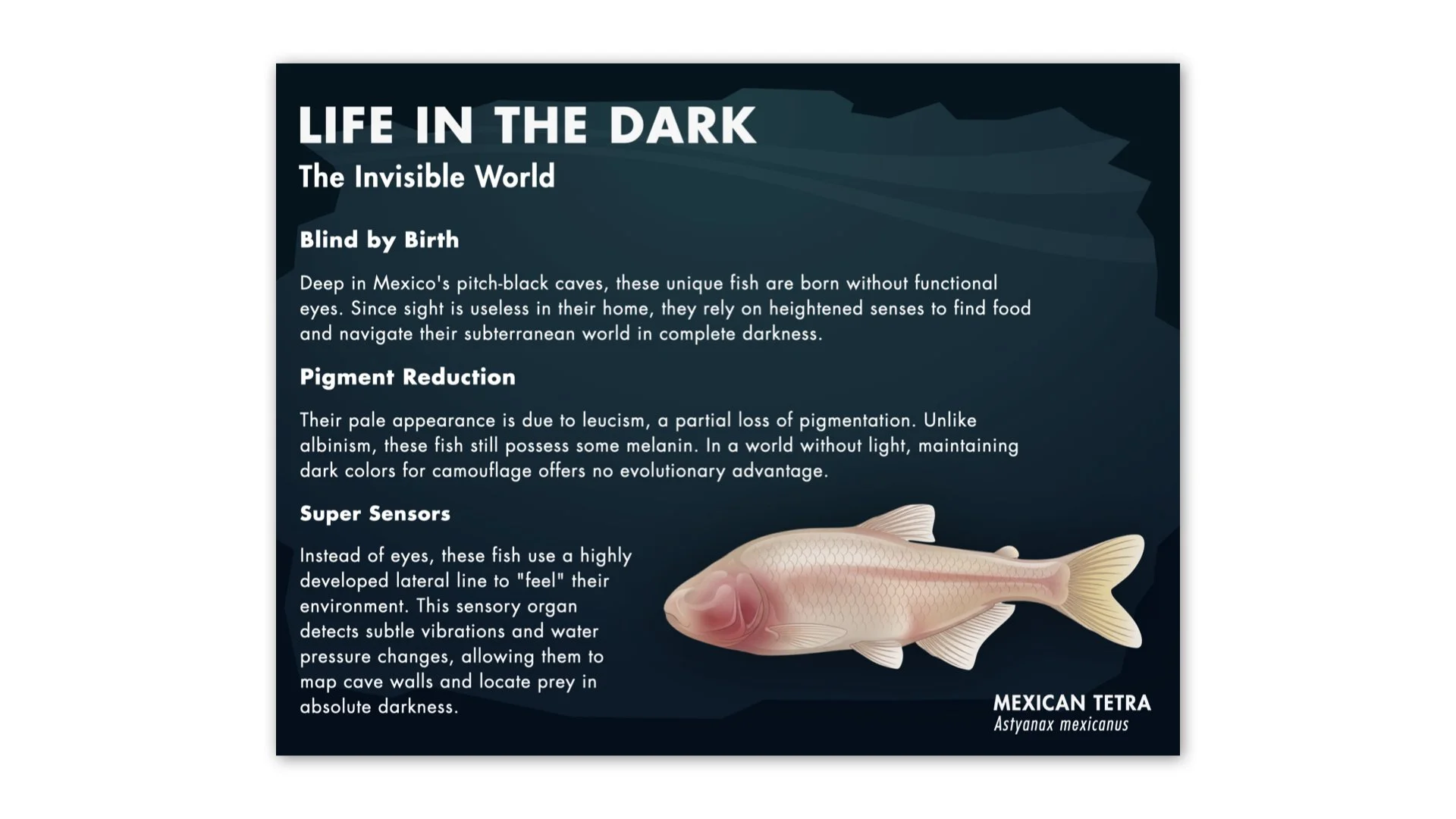
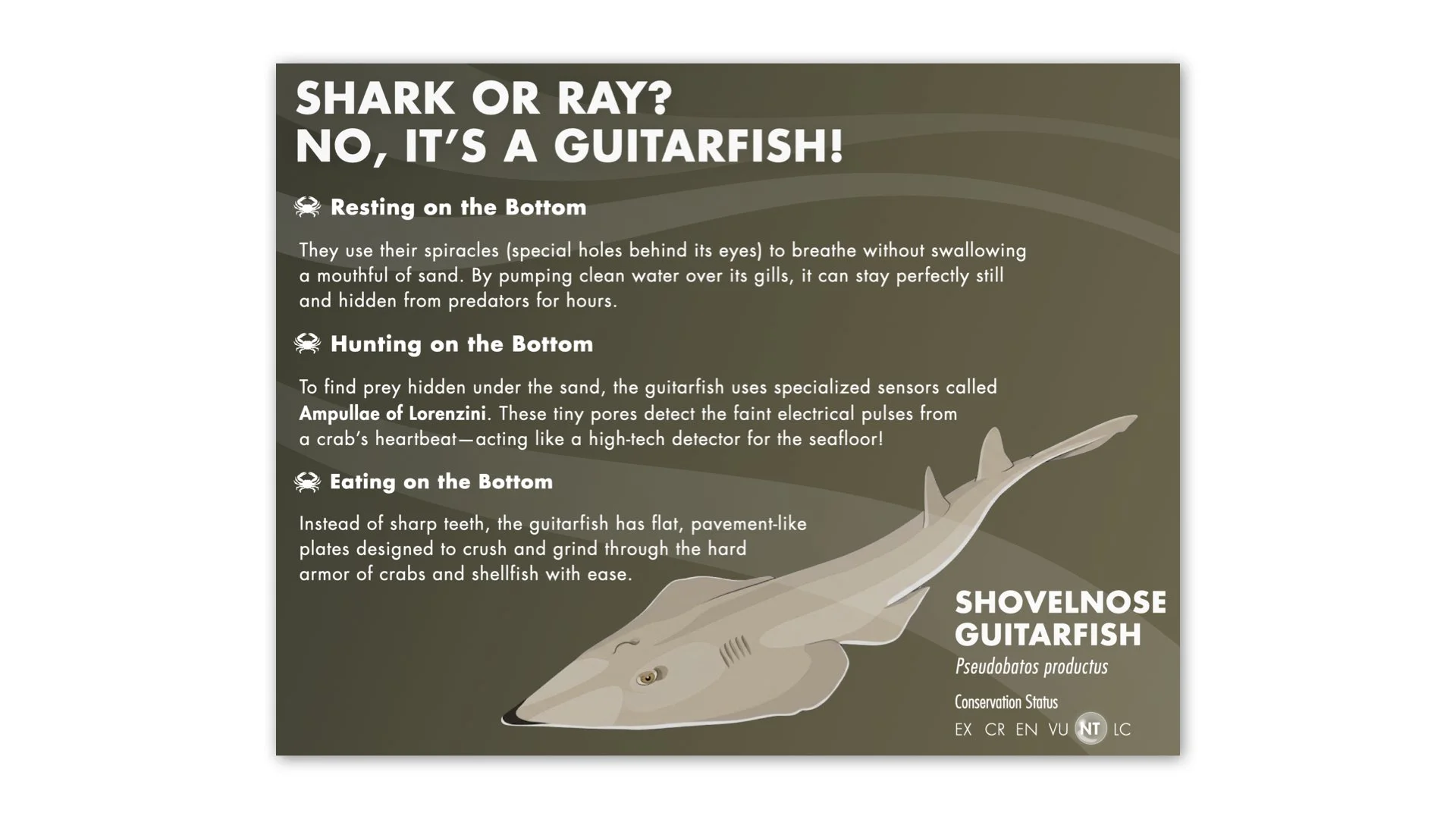
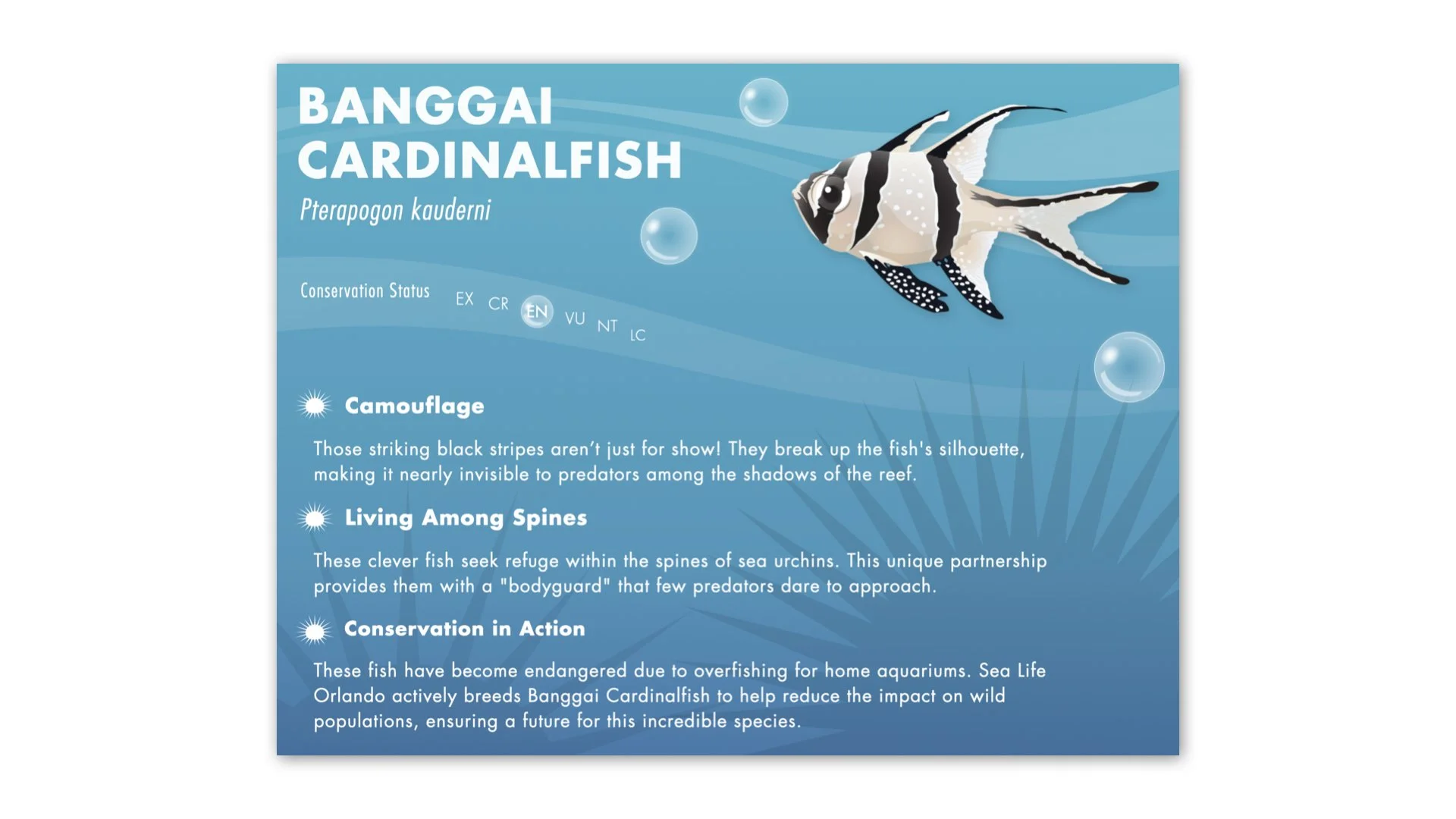
Alligator Education Station
-
This project focuses on the unique wetland ecology of the Florida Everglades and the crocodilian species that inhabit it. The outcomes include:
Everglades Crocodilian Lesson Plan
Interpretation Cart Interface Design
The goal goes beyond simply teaching visitors “what alligators are.” It aims to remove the stereotypes of danger and fear, help visitors understand their ecological role, and inspire them to take action as wetland stewards.
Insight :
Journey × Meaning × Engagement
-
Learning begins as visitors enter the Everglades exhibit. Light, texture, and imagery set the scene and guide attention toward what is usually overlooked, and the cart becomes one of the animal exhibits with the same water level.
-
The lesson shifts crocodilians from fear-based stereotypes to uniquely adapted animals with remarkable sensory and physical traits. Visual tools and comparisons support this reframing.
-
“Find the Gator,” skull demonstrations, maps, and species comparisons invite visitors to discover through action. Small interactions become sparks of curiosity.
Interpretation Flow & Script Writing:
-
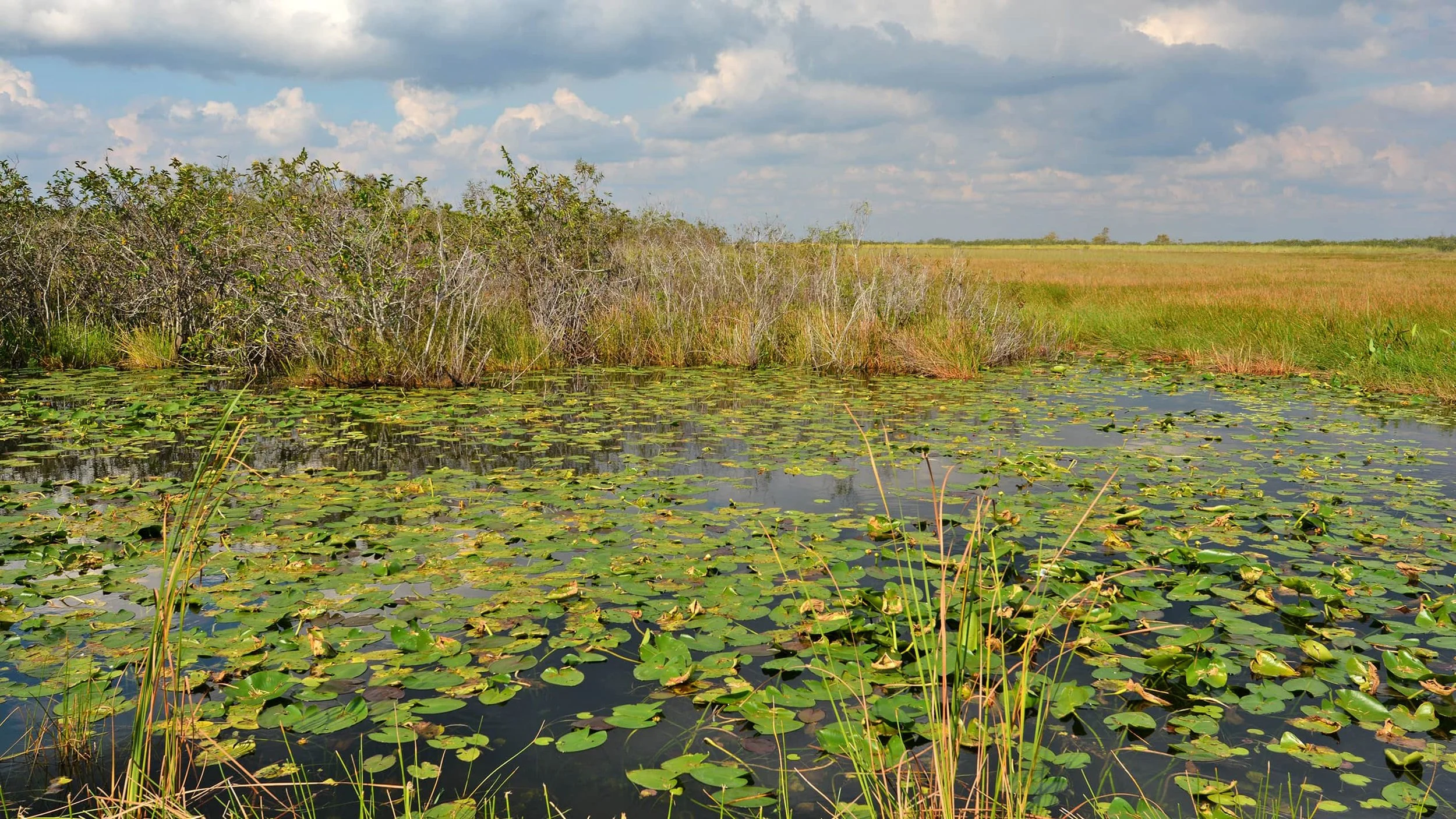
Upon entering the Everglades area, visitors encounter a calm, reflective wetland photo.
They are asked: “Where is the alligator?”
Most cannot find it—until we reveal: “It’s right here… and not just one.”
This moment builds curiosity and sets the tone for discovery.
-
Core teaching tool: crocodilian skull
Key learning points include:
Why are the eyes and nostrils aligned on the same plane?
(Only three animals share this trait: hippos, frogs, and crocodilians.)Underwater anatomy: how the long body and tail work in propulsion
Global crocodilian species list, arranged by size
A globe showing geographic distribution
→ Why are crocodilians concentrated in warm regions? (Because they are ectotherms.)The Everglades as the only place on Earth where alligators and crocodiles coexist. And they are keystone species in the ecosystem.
Alligator vs. crocodile differences: appearance, behavior, habitat
-
Learning about crocodilians ultimately leads to one question:
“What can I do to protect their home?”Suggested actions include:
Never leaving trash in wetland areas
Using designated fishing-line and hook disposal tubes
Being aware of wildlife presence
Observing from a respectful distance
Interpretive Design :
The interpretation cart is designed to blend seamlessly into the Everglades environment, functioning as both a teaching tool and a small extension of the exhibit itself. Its visual language mirrors the surrounding habitat, allowing the cart to feel embedded in the space rather than added to it.
Simple, intuitive touchpoints support quick demonstrations while maintaining the atmosphere of the gallery.
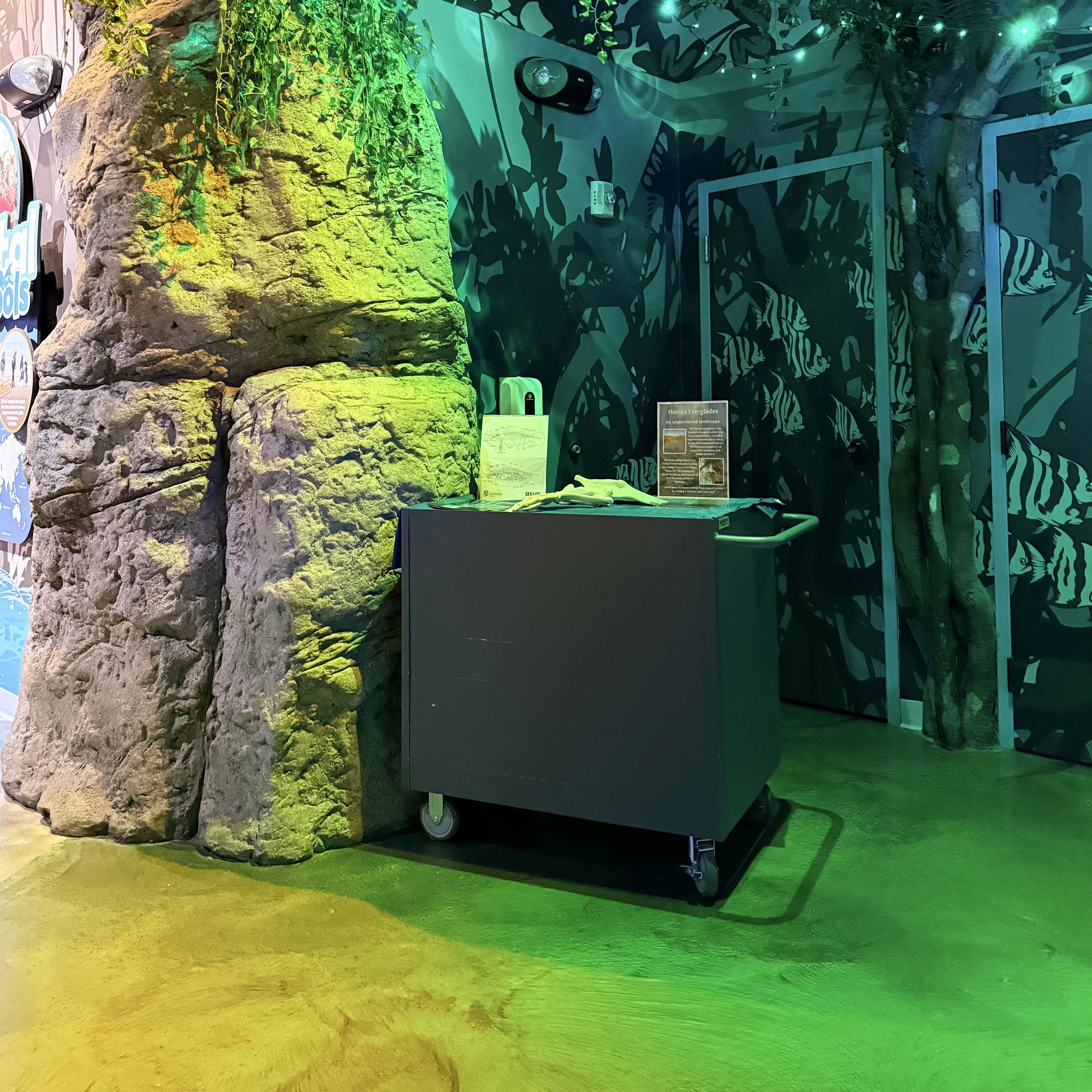
Original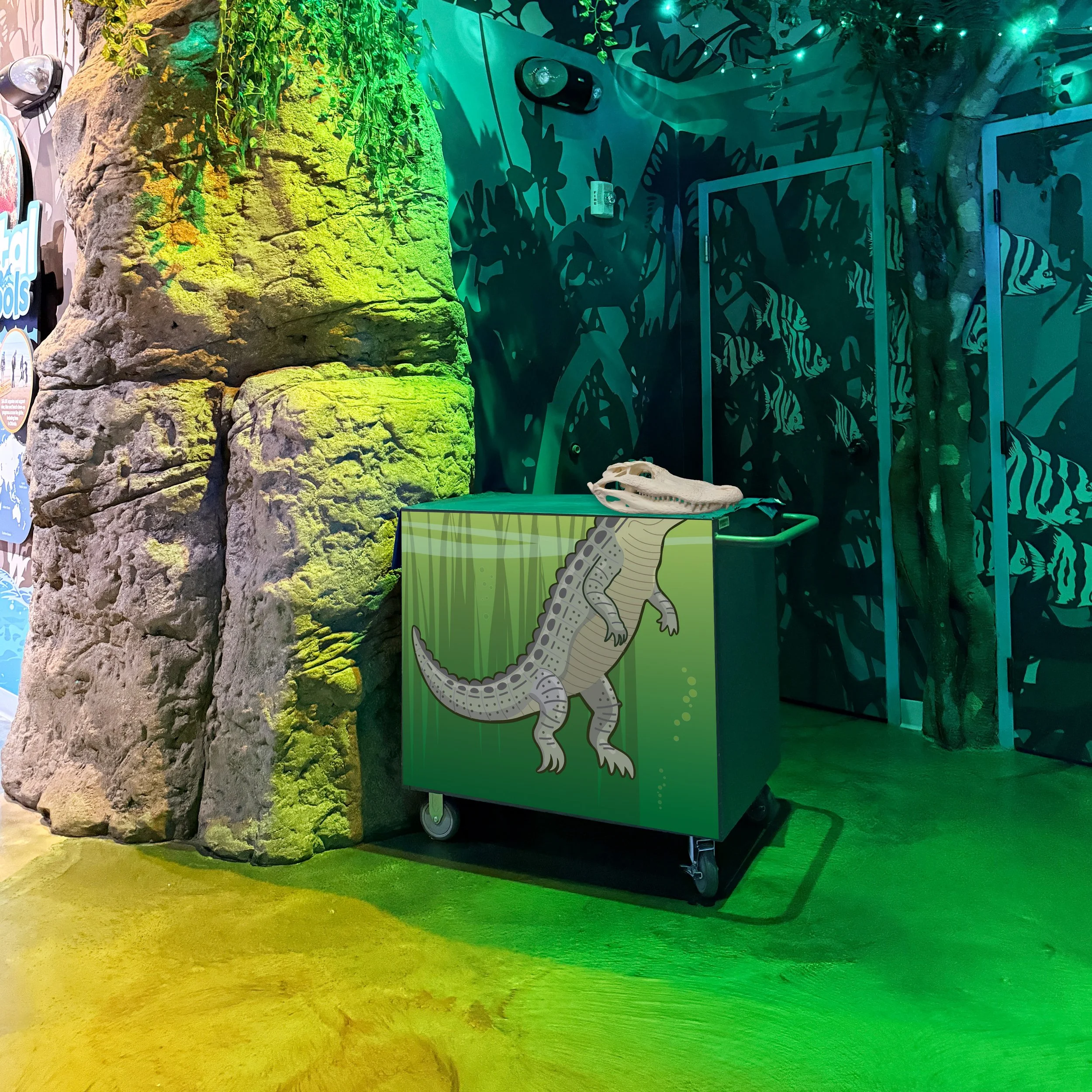
New CartProps :
Find the gatorCrocodilians species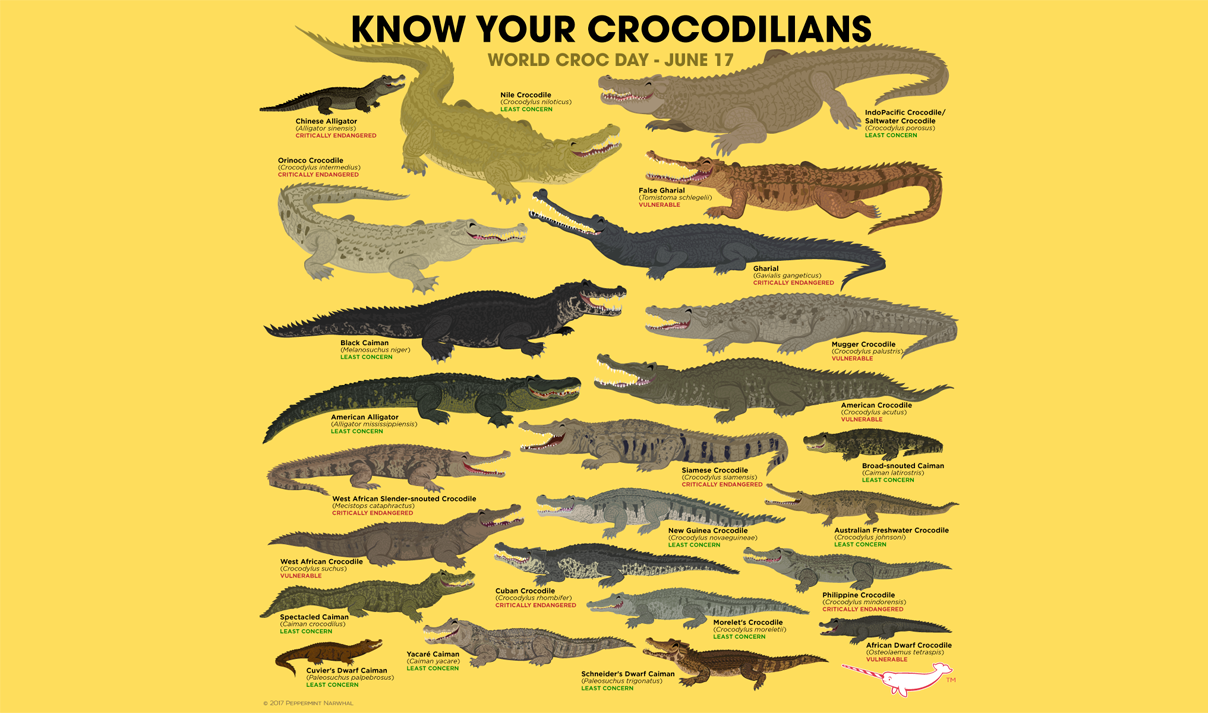
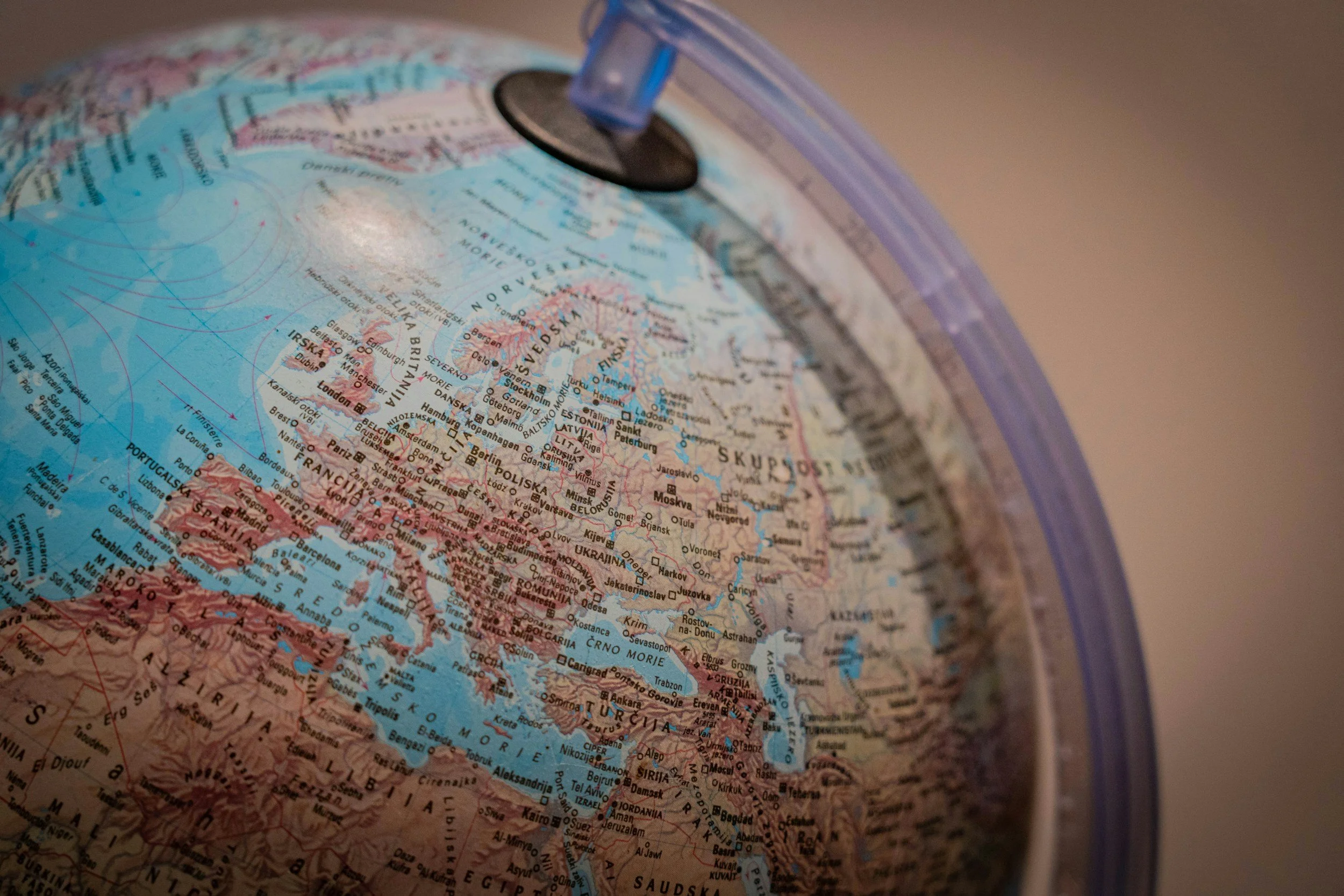
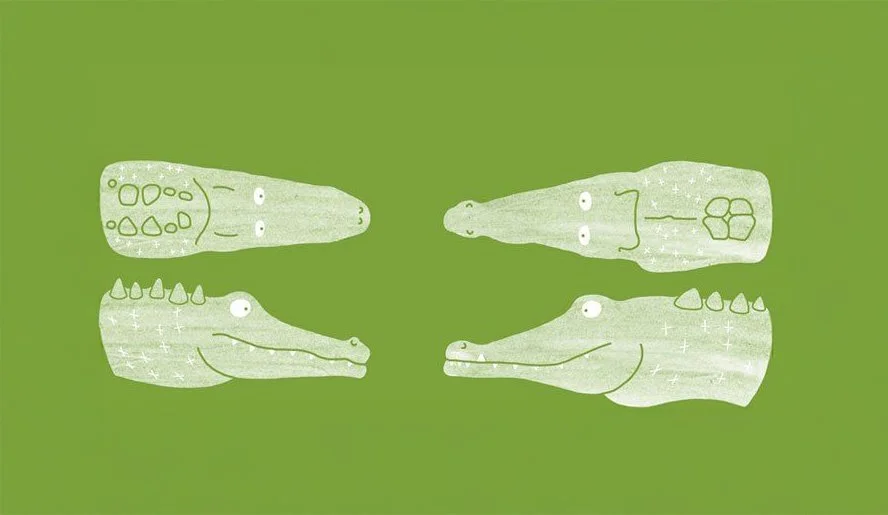
World Crocodilian distributionGators vs CrocsSimilar Projects
-
SEA LIFE Summer of Sharks
Themed Experience
-
Pirates of the Haunted Seas
Environmental Graphic Design
-
Villa Formosas
Zoo Master Plan
-

Formosan Area Renovation
Zoo Master Plan